Business Website Design — HL Growth

A Business Website Built to Sell — Not Just to Look Pretty.

Your website exists. But it doesn't sell. It sits there — visited, skimmed, and left — while the enquiries go to the competitor whose site answered the visitor's question in five seconds.

A pretty site that produces nothing is a brochure with a domain name. A selling site does one job above all: it tells a visitor what you do, for whom, and what to do next — immediately, on a phone, with proof you can be trusted. That is what we build: not a prettier brochure, but a salesperson that works while you run the business.

Before any WhatsApp conversation, a short qualifier asks for two things: your current site URL (or "no website yet") and your goal — leads, calls, or bookings. The first reply is about your site, not a sales script.

[IMAGE SLOT — FORMAT MODEL: Homepage of a finished business website shown on a phone, with a clear headline, one visible next step, and proof elements above the fold]

A selling homepage answers three questions on the first screen: what you do, who it is for, and what to do next.

[FORMAT MODEL — placeholder: named client + one hard metric + live link + before/after, to be supplied by HL Growth]

  • Total cost in writing, before work starts
  • Delivery date in writing, with milestones attached
  • Domain, hosting, and logins in your name
  • Support term in writing, agreed before launch

These are process commitments, not results claims. No leads or rankings are guaranteed anywhere on this page.

What a business website actually is

A business website is a salesperson that works while you run the business: it explains what you do, proves you can be trusted, and turns a visitor into an enquiry, a call, or a booking.

That definition sets the scope of every build on this page:

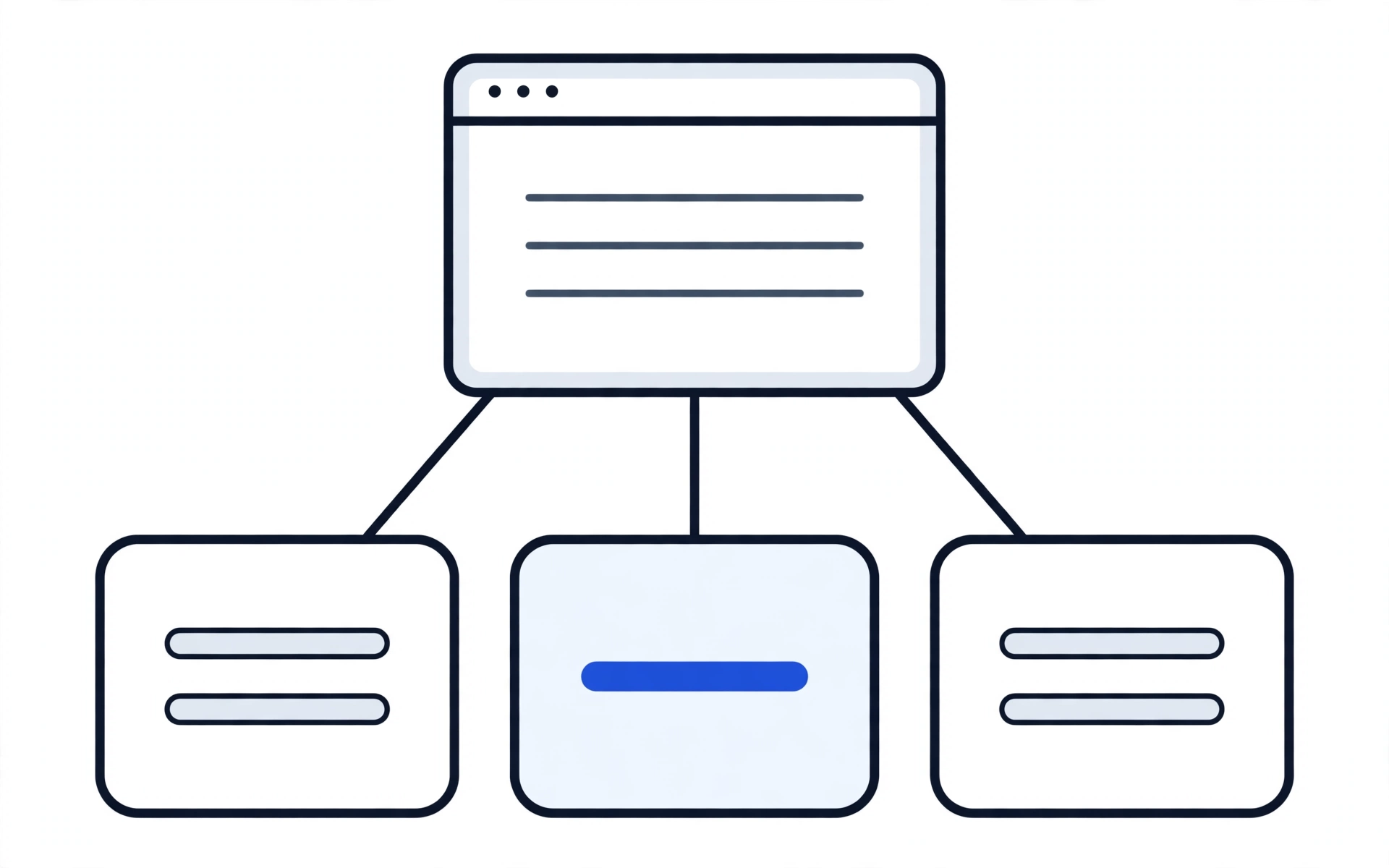
Diagram of a lead-generating website's parts: offer, capture, and follow-up.
What a lead-generating website does differently is structural: a clear offer, a capture point, and a follow-up path.
  • Service pages organised around what visitors actually search for and ask about — not around the company's internal departments.
  • Proof placements where visitors look for them: real work, real reviews, real business details, and clear policies.
  • One clear next step per screen — enquiry form, call, or booking — visible without scrolling, on a phone.
  • Speed and measurement as deliverables — mobile-first build measured against a stated standard, with analytics and enquiry tracking from day one.
  • Ownership in your name — domain, hosting, logins, and files handed over with documentation at launch.

The condition: a website is only one half of selling. It can turn interested visitors into enquiries, but it cannot create demand on its own, and it cannot close a sale your offer, prices, or follow-up won't support. If your problem is that nobody visits at all, that is a visibility problem — and the honest answer may be diagnosis first, not a build. The free audit tells you which problem you have before you pay for anything.

Why your site doesn't sell: five pains, diagnosed before anything is prescribed

Every selling system runs through six stages — Visibility, Capture, Conversion, Follow-Up, Management Visibility, Growth. A website that already gets visitors but produces nothing is almost always leaking at Capture or Conversion: it either fails to hold the visitor, or fails to turn a held visitor into an enquiry. The five pains below are those leaks, in the order we check them. Diagnosis comes first; a rebuild that skips diagnosis reproduces the leak in a prettier form.

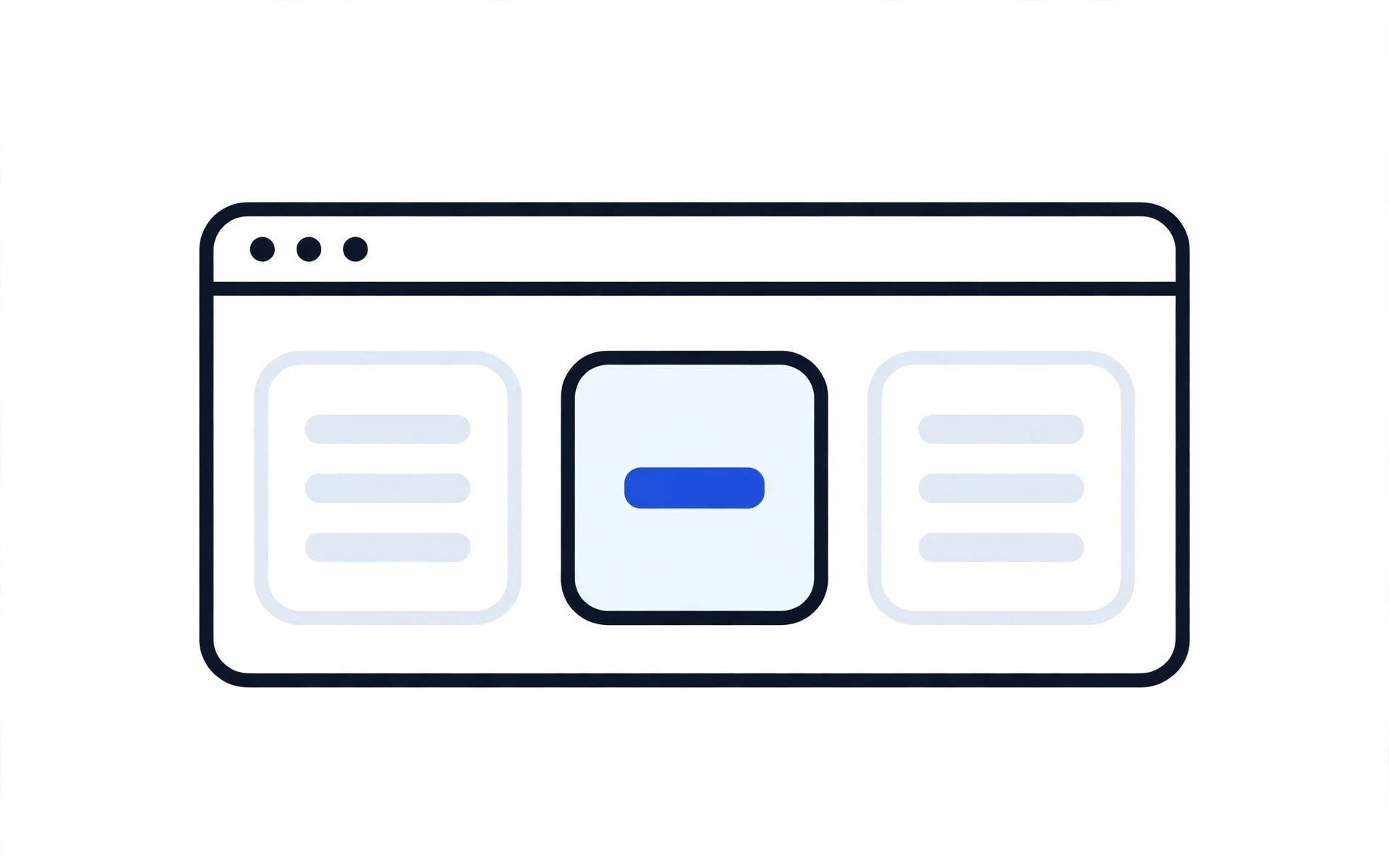
Wireframe highlighting three zones a visitor must grasp in seconds: what, for whom, and next step.
The five-second test: a visitor should grasp what the business does, for whom, and what to do next — before anything else.

1. "People visit, but they leave in seconds" — Capture

The first screen talks about the business — its history, its values, its services in the abstract — but never answers the visitor's silent question: "Is this for me, and what do I do next?" A visitor who doesn't feel understood in five seconds is already gone, and the rest of the site never gets read. The test is simple: what you do, who it is for, and the next step, all visible without scrolling, on a phone.

2. "It loads fine on my computer, but visitors are on phones" — Capture

A large share of visitors arrive on a phone, often on a slower connection. A slow site doesn't lose a few impatient visitors — it loses a large share of everyone who was interested enough to click. We build to Google's published Core Web Vitals standard (Largest Contentful Paint under 2.5 seconds) because speed is not a technical nicety; it is the difference between a visitor who reads your offer and one who never sees it.

3. "It looks fine, but nobody trusts it enough to enquire" — Conversion

First-time visitors judge whether you are legitimate, and that judgment is largely unconscious and fast. Vague copy, no real photos, no reviews, no policies, no named people, no contact details that belong to a real business — each one quietly costs enquiries. Trust is not claimed on a selling site; it is shown where visitors actually look.

4. "People start the form and never finish it" — Conversion

Every field on a form is a reason to abandon it. A selling site asks for what the next step actually needs — name, contact, and the problem — and saves the rest for the conversation. Removing unnecessary fields is one of the cheapest conversion improvements there is, and most business websites have never had it done.

5. "Enquiries come in, then nothing happens" — Conversion into Follow-Up

An enquiry that isn't answered quickly goes cold, and a form that silently fails to deliver is worse than no form at all. The website's job doesn't end at the submit button: it routes the enquiry somewhere it will actually be seen, gives the visitor a reason to stay in touch if they aren't ready to buy today, and is tested end to end before launch. A website without a follow-up step is a bucket with a hole in it.

Before any WhatsApp conversation, a short qualifier asks for two things: your current site URL (or "no website yet") and your goal — leads, calls, or bookings. The first reply is about your site, not a sales script.

Not sure whether you need a build or a diagnosis? If your site gets traffic and produces nothing, read this before you buy a build: Traffic but no sales? Find the leak. If the audit finds the structure itself is the problem — wrong pages, no search visibility, no foundation to fix — then a build is the honest answer, and we will say so.

The record, stated plainly

173

qualified inbound leads — Lorenz Plumbing, Heating & Air. Case study

743

qualified inquiries — Genz-Ryan Plumbing & Heating. Case study

Disclosure: the two engagement numbers above are international-client work, presented as international-client proof. They are not local-market results, and they are not presented as such. HL's role in each was growth infrastructure: website architecture, search visibility, inquiry routing, and reporting, built as one integrated system. Full details — client, scope, and result period — are on the linked case-study pages, which are the source of these numbers. Result periods and engagement dates are deliberately not restated here from memory. What these numbers share is the standard behind them: cost per inquiry and cost per qualified opportunity, not vanity traffic.

What we will not show you: dashboards with no name attached, screenshots presented as proof without a source, or results without a period. If a number can't carry its disclosure, it doesn't ship.

Selected work

Flat illustration of a generic home-services website on a computer and a phone, beside a house with a wrench and a heating symbol
Illustrative image — a generic home-services website illustration, not a client screenshot.

Lorenz Plumbing, Heating & Air

173 qualified inbound leads

Read the case study

Flat illustration of generic multi-trade home services — plumbing, heating, cooling and electrical symbols around a house and a service van
Illustrative image — a generic multi-trade services illustration, not a client screenshot.

Genz-Ryan Plumbing & Heating

743 qualified inquiries

Read the case study

FORMAT MODEL — placeholder

[Headline to be supplied]

[Metric to be supplied]

[Link to be supplied]

Placeholder only — not an HL Growth client result. To be replaced with a real engagement supplied by HL Growth.

Disclosure: the two engagements above are international-client proof, not local-market results.

View all case studies

How the build runs, step by step

  1. Step 1 — Audit and diagnosis

    We check your current site (or your market, if you have no site yet) against the five leaks above, in order. Deliverable: a written diagnosis — what the site does well, where it leaks, and whether the honest answer is a fix or a build — before you pay for anything.

  2. Step 2 — Structure and first screen

    Pages are planned around what visitors search for and ask about, and the first screen is written before anything else is designed: what you do, who it is for, and the one next step. Deliverable: an approved page plan and first-screen draft.

  3. Step 3 — Copy, proof, and design

    We write the content in plain, benefit-driven language from what you tell us about your customers and your work, place the proof where visitors look for it, and design around the answers — never the other way round. Deliverable: a full draft site for your review.

  4. Step 4 — Build, speed, and form testing

    Mobile-first build, right-sized images in modern formats, no third-party bloat on the critical path — and every form tested end to end, because a form that silently fails to deliver is worse than no form at all. Deliverable: a staging site measured against the stated speed standard.

  5. Step 5 — Launch, handover, and measurement

    Launch only after your approval, with analytics and enquiry tracking live from day one so you can see where visitors come from, which pages perform, and where people drop off. Deliverable: the ownership-handover checklist — domain registrar account, hosting account, content management logins, analytics access, and a written record of where everything lives and how to reach it.

Delivery date in writing. A date, not "soon" or "in a few weeks" — agreed at the proposal stage, with milestones attached to it.

What every HL business website includes

Illustration of a finished website being handed over with its accounts.
The build standard includes handover: the site and its accounts belong to the client.
  • Structure first: pages organised around what visitors search for and ask about — services, proof, pricing picture, and the next step.
  • Speed as a deliverable, not a hope: mobile-first build, stated speed standard before the build starts, finished site measured against it.
  • Trust built in, not bolted on: review and proof placements, policy pages, real business details, and a contact route that works.
  • Forms that convert: short forms, one primary action per screen, no forced account creation, no dead-end thank-you pages, every form tested end to end before launch.
  • Measurement from day one: analytics and enquiry tracking set up so improvements are based on evidence, not guesswork.
  • Content written for you: plain, benefit-driven copy from what you tell us about your customers and your work. You review and approve everything before it goes live.
  • Ownership in your name: domain, hosting, logins, and files registered to you and handed over with documentation. A website that lives in someone else's account is not fully yours, no matter who paid for it.
  • Total cost in writing, before work starts: build, domain, hosting, and renewals — the whole picture, not a starting price with the real number to follow. No after-charges beyond the written total.
  • Milestone payments, never everything upfront: payment tied to delivered stages. You never pay the full amount before you have seen anything working.
  • Support term in writing: how long after launch help is included, and what exactly it covers, is written into the agreement — not left to a verbal promise.

What a selling homepage looks like

The slots below are format models for homepage screenshots of business sites — a services firm, a clinic, and a trades business. They show the format a real proof slot takes. No screenshot, client name, or result is shown until HL Growth supplies the real asset.

[IMAGE SLOT — FORMAT MODEL: Homepage screenshot of a services business website, headline stating the service and area served, one enquiry button visible without scrolling]

Services business: the visitor knows what is offered and what to do next, on the first screen.

[FORMAT MODEL — placeholder: named client + one hard metric + live link + before/after, to be supplied by HL Growth]

[IMAGE SLOT — FORMAT MODEL: Homepage screenshot of a clinic website, headline stating the treatment and who it helps, one booking button visible without scrolling]

Clinic: the treatment, the patient it is for, and the booking step, all above the fold.

[FORMAT MODEL — placeholder: named client + one hard metric + live link + before/after, to be supplied by HL Growth]

[IMAGE SLOT — FORMAT MODEL: Homepage screenshot of a trades business website, headline stating the trade and service area, one call button visible without scrolling]

Trades business: the trade, the area served, and the call step, all above the fold.

[FORMAT MODEL — placeholder: named client + one hard metric + live link + before/after, to be supplied by HL Growth]

[FORMAT MODEL — placeholder: named client + one hard metric + live link + before/after, to be supplied by HL Growth]

[Result-first headline to be supplied]

[Short paragraph to be supplied: what was broken, what was fixed, and what changed — in the client's own business terms.]

  • [Metric 1 to be supplied]
  • [Metric 2 to be supplied]
  • [Metric 3 to be supplied]

[IMAGE SLOT — FORMAT MODEL: Placeholder device mockup slot for a future case-study site — no real site shown, no result claimed]

Device mockup slot: a real client site mockup will appear here only once HL Growth supplies it. No result is claimed by this slot.

[FORMAT MODEL — placeholder: named client + one hard metric + live link + before/after, to be supplied by HL Growth]

What we will not show you: dashboards with no name attached, screenshots presented as proof without a source, or results without a period. If a number can't carry its disclosure, it doesn't ship.

Questions to ask any developer — including us

Before you hire anyone to build your website — us included — ask these questions, and judge the answers. Our answers are in the right-hand column; hold any other developer to the same standard.

Ask thisWhy it mattersHL Growth's answer
Can you show named work, and say what it produced?A gallery of pretty pages with no results attached proves taste, not performance.Proof slots on this page are labelled format models until real HL assets are supplied; disclosed case work is linked from the case-study pages, never presented without its disclosure.
Is there a delivery date and a full cost, in writing, before I pay an advance?If either is vague, the project will be too.Yes, both as standard practice: a date with milestones attached, and a total covering build, domain, hosting, and renewals — no after-charges beyond the written total.
Will the domain, hosting, and logins be in my name?If the answer is unclear, assume the answer is no — and price that risk accordingly.Yes. Ownership in your name, handed over with documentation at launch, is non-negotiable here.
What happens if the site is slow on a phone?Most visitors are on phones; a site that only performs on a desktop loses the majority of its audience.The speed standard is stated before the build starts and the finished site is measured against it.
Do you diagnose before you rebuild?A rebuild that doesn't fix the leak reproduces it in a prettier form.Yes. The free audit diagnoses the five leaks first, and if the answer is "diagnose first," we say so even though it delays the build.
Will you guarantee leads or rankings?Leads depend on your offer, prices, and follow-up as well as your website; rankings depend on competition and platforms no agency controls.No — and be careful with anyone who does. What we commit to is the process: a written diagnosis, a written total, a written date, accounts in your name, and measurement that shows what actually happened.

What a website costs — the whole picture, in writing

A website has a total cost, not just a starting price: the build, the domain, the hosting, the tools it needs, and the renewals that follow. Most quotes hide the second half. We put the whole picture in writing before work starts — build, hosting, and renewals — and there are no after-charges beyond the written total.

Abstract illustration of balanced milestones agreed in writing.
Trust mechanics: milestones and the total agreed in writing before work starts. Figures, where stated, are in page copy — never only in an image.

From PKR 99,999 [DEMO PRICE — PENDING RE-EVALUATION. This figure is a placeholder for draft purposes only. It is not a final price, not a quote, and not a monthly retainer. Final pricing, currency, and levels are to be settled in the pricing re-evaluation before any paid traffic runs to this page.]

What the written total always includes: the build itself, the domain and hosting setup in your name, and the renewal costs stated up front — so year two never arrives as a surprise.

What a website costs — real ranges and hidden charges

Frequently asked questions

Why doesn't my business website generate leads?

Usually one of five leaks: visitors can't tell what you do in five seconds, there's no clear next step, the site is slow on mobile, there's no proof you can be trusted, or the form asks for too much. A lead-generating website fixes the leaks in that order — diagnosis before redesign. The free audit checks them in that order.

How long does a business website take to build?

That depends on scope, which is why the delivery date goes in writing before work starts rather than as a guess on this page. The audit comes first and is free; the build timeline is agreed in writing at the proposal stage, with milestones attached to it. No fixed build duration is promised here, because scope decides it.

What do you need from me to start?

Four things: your current site URL (or "no website yet"), your goal — leads, calls, or bookings — a short description of what you sell and who buys it, and any existing brand material you already have, such as a logo or photos. You do not need to write the copy yourself, and you do not need technical knowledge; the qualifier at the start collects the first two, and the rest comes from a conversation, not a homework assignment.

How many revisions are included?

You review and approve everything before it goes live, and the draft stage exists so changes happen before launch, not after. The exact revision allowance is written into the proposal for your project — it is not stated as a fixed number on this page, because it depends on scope. What is fixed: nothing goes live without your approval.

Will I own my website, domain, and logins?

Yes — all of them, in your name, handed over with documentation at launch. That is the anti-hostage position, and it is non-negotiable here. If a previous developer holds your access, that is a different problem: Website Rescue

What about hosting and my domain name?

Domain and hosting are set up in your name as part of the build, and their renewal costs are stated up front in the written total — so year two never arrives as a surprise. If you already own a domain, it stays yours; the build connects to it rather than replacing it.

Is SEO included in the build?

The SEO basics are built in: pages structured around what visitors search for, a fast mobile-first build, and measurement from day one so performance is visible. Ongoing ranking work is a separate matter — no rankings are promised on this page, and anyone who guarantees them should be treated with caution.

What happens after launch?

You receive the ownership-handover checklist — domain, hosting, logins, and analytics access, with a written record of where everything lives. The support term agreed in writing before launch then applies: how long after launch help is included, and what exactly it covers, is in the agreement. Analytics and enquiry tracking keep running from day one, so the next improvement is based on evidence, not guesswork.

Do you write the content, or do I have to?

We write it — in plain, benefit-driven language, from what you tell us about your customers and your work. If a sentence needs jargon to sound expert, we rewrite it. You review and approve everything before it goes live.

Will you guarantee leads or rankings?

No — and be careful with anyone who does. Leads depend on your offer, your prices, and your follow-up as well as your website; rankings depend on competition and platforms no agency controls. What we commit to is the process: a written diagnosis, a written total, a written date, accounts in your name, and measurement that shows what actually happened.

Your website should be your hardest-working salesperson. Let's make it one.

The audit costs nothing and gives you a written answer — what your site does well, where it leaks, and what fixing it would involve. No obligation to proceed.

What happens after you hit send:

  1. You share the short qualifier: your website address (or "no website yet") and your goal — leads, calls, or bookings — plus your name and a contact for the audit reply.
  2. We check your site against the five leaks, in order, and write up the diagnosis.
  3. You receive the written audit: what the site does well, where it leaks, and whether the honest answer is a fix or a build.
  4. If a build is the answer, you receive a proposal with the total cost and delivery date in writing — before you pay anything.

WhatsApp conversations open only after the qualifier is submitted. The first reply is about your site, not a sales script.