Website Redesign Services — HL Growth

A Redesign Is a Migration, Not a Repaint.

A new coat of paint changes how a site looks. A redesign changes where its pages live, what its pages say, and how search engines and buyers find their way around it. Treat it like a repaint and the new site can look better while performing worse — fewer visits from search, fewer enquiries from the visits that remain.

HL Growth plans a redesign the way a move is planned: first, an inventory of what the old site already earns; then, a written map for where every valuable page goes; then the build; then checks before launch and measurement after it. The design is the visible part. The migration plan is what protects the business underneath it.

Start with a redesign-readiness audit: a factual read of your current site — what it ranks for, what it earns, and what a rebuild must not break — before you commit to a new design.

Prefer to talk first? WhatsApp works alongside the audit — send your current site URL and your reason for redesigning, and the conversation starts from your site, not a script.

What a website redesign actually is

A website redesign is a planned rebuild of how a site looks, reads, and is structured — carried out without discarding the search visibility and buyer trust the old site has already earned.

In scope for a redesign with HL Growth:

  • New layout, visual design, and page structure for an existing, working site.
  • Rewritten or reorganised copy, built around the pages and phrases that already perform.
  • Redirect mapping, metadata preservation, and pre-launch checks so moved pages stay findable.
  • Post-launch rank and traffic monitoring, measured against the pre-redesign snapshot.

Condition and limit: a redesign assumes the current site is reachable, measurable, and earning something worth preserving. If the site is broken, locked away, or out of your control, that is a different job first — recovery before redesign. If the site works but simply does not sell, diagnosis comes before redesign: a new look will not fix an unclear offer or a missing next step. See Website Conversion Fix for that diagnosis, and Website Rescue for recovery.

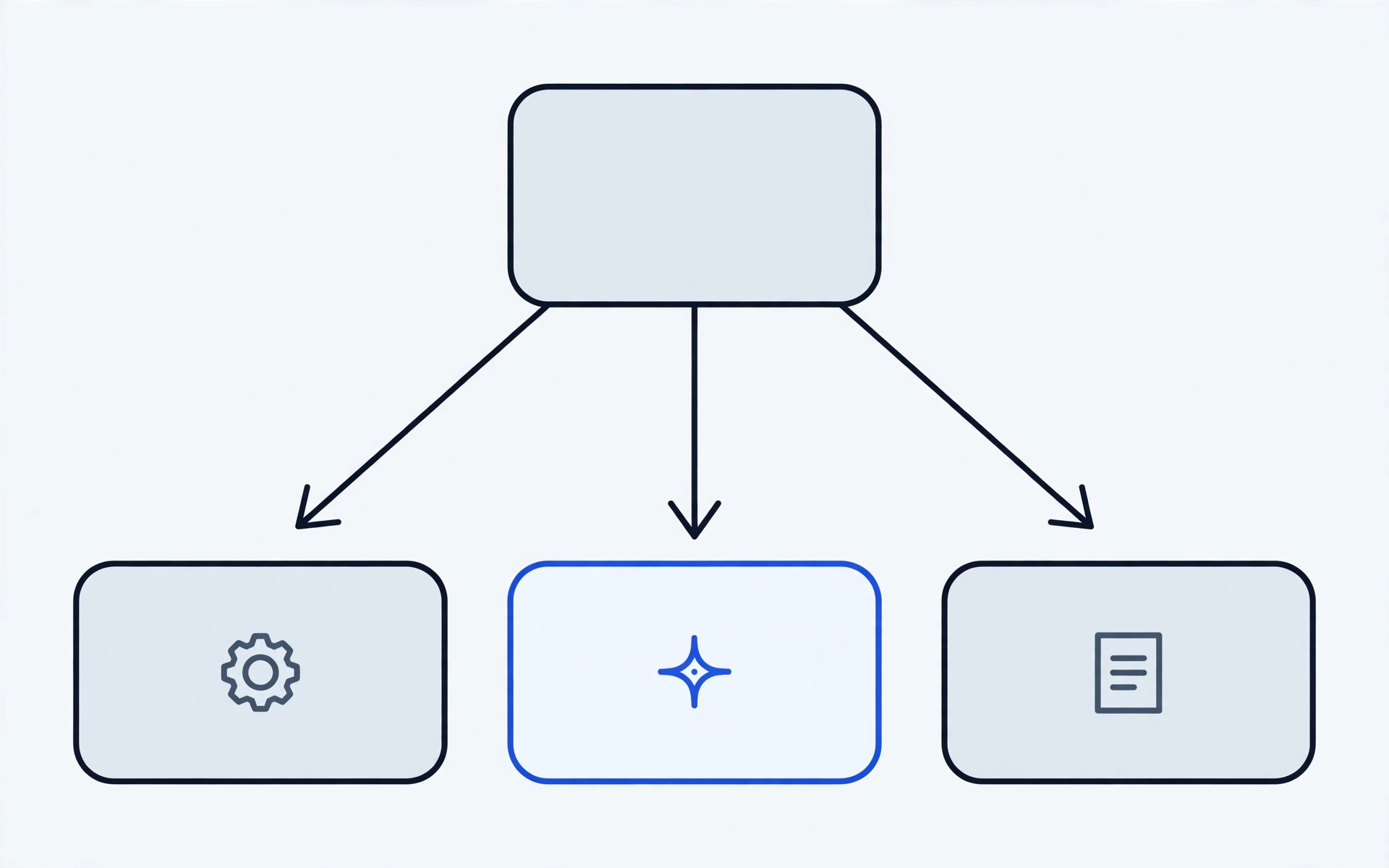
Decision diagram: redesign, rebuild, or repair — three different interventions.
Redesign, rebuild, and repair are different interventions. Which one you need depends on what the baseline shows — not on how the site looks.

The diagnosis: prettier site, weaker results

Here is the pattern that fills redesign regret stories. A business pays for a fresh site. The fresh site is genuinely easier on the eye — tidier sections, stronger photos, a cleaner feel. Then two quiet declines follow. Search visits slip, because pages that used to bring people in now sit at new addresses with no signpost pointing to them, or their wording no longer matches what searchers type. Enquiries slip, because the parts that used to close the sale were redesigned away: the plain headline that said what the business does, the contact detail that sat where a buyer could see it, the short form that asked for little, the page that answered the first question before asking for anything.

Neither decline announces itself as a design failure. The site still loads, still looks polished, still wins compliments. That is what makes this failure expensive: it is easy to admire and hard to notice until the enquiry gap is too large to explain away. A redesign that ranks worse or converts worse is not a partial success with a cosmetic win attached. It is a failed redesign, whatever the new homepage looks like.

The fix is not to avoid redesigning. It is to redesign in the right order: measure first, map second, build third, verify fourth, and measure again. The next section states exactly what HL Growth commits to in that order — and what it does not promise.

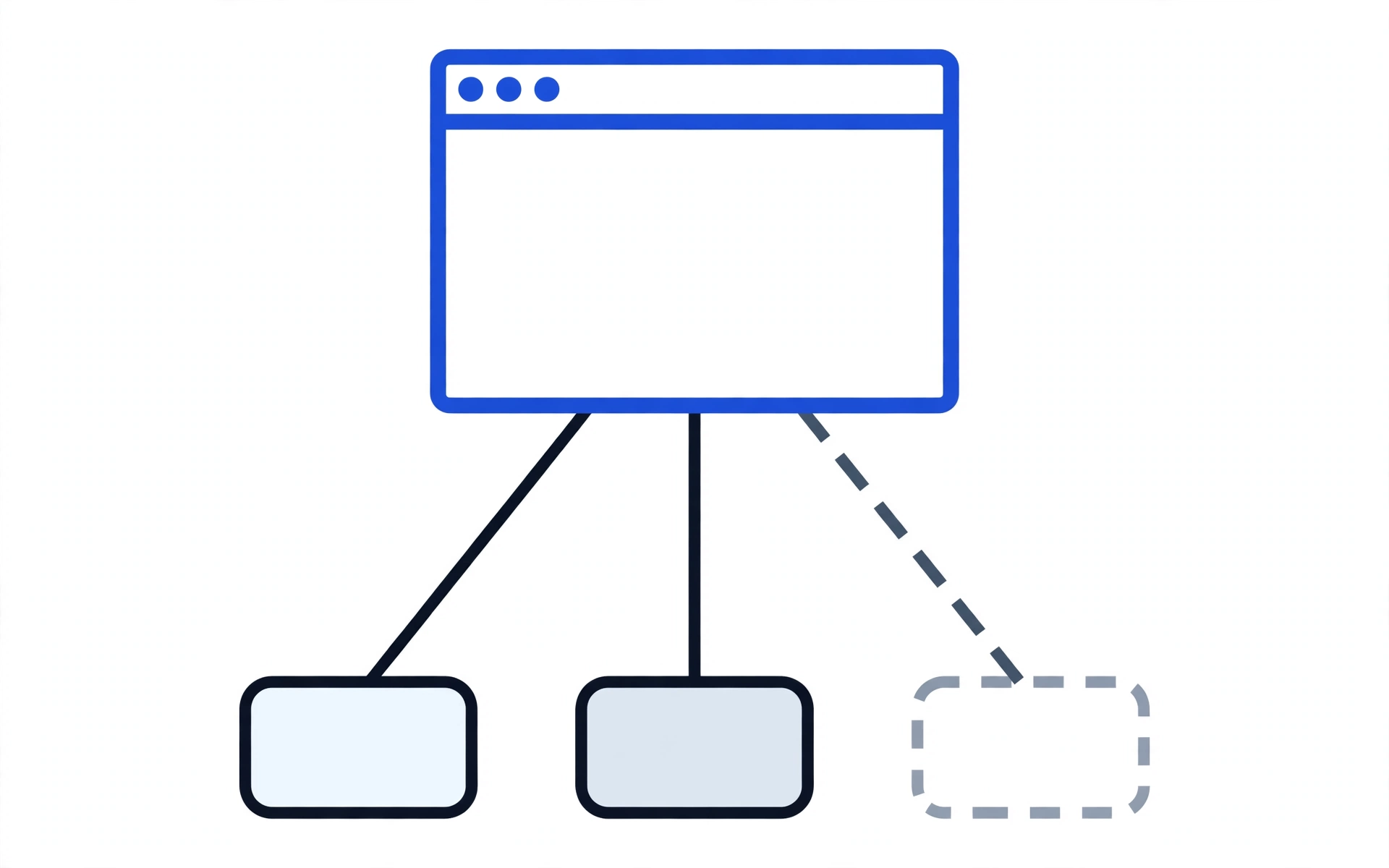
Diagram of redesign risks: broken connections affecting rankings, traffic, and conversions.
What actually goes wrong in a redesign is rarely the look: rankings, traffic paths, and conversions are what get lost when preservation is skipped.

Our SEO-protection promise: the method, in writing

This is a method guarantee, not a rankings guarantee. HL Growth does not promise that any ranking will be preserved, because rankings also depend on competitors, search platforms, and site history that no agency controls. What HL Growth does commit to, as deliverables you can check, is the method below.

  • Redirect mapping. Every existing URL receives a written decision before launch: keep it, point it to one specific relevant new URL, or retire it for a stated reason. No blanket redirects of everything to the homepage.
  • Metadata preservation. Titles, descriptions, headings, and structured data on performing pages are inventoried before the rewrite. Anything changed is logged against that inventory, with a reason — not changed silently for style.
  • Pre-launch QA. The new site is verified on staging before it goes live: redirects tested, preserved metadata confirmed, internal links checked, staging blocks and noindex settings removed, forms and mobile speed checked.
  • Post-launch rank monitoring. Rankings, traffic, and conversions are watched after launch and re-measured against the pre-redesign snapshot, so a real drop on a specific page can be traced to a missing redirect, lost content, or changed wording — and named as such.

Terms, stated plainly: the method above is what is guaranteed. Outcomes are reported, not promised. Short-term fluctuation after a launch is normal; a sustained drop on a named page is investigated from the snapshot. No remedy beyond the method itself is promised on this page.

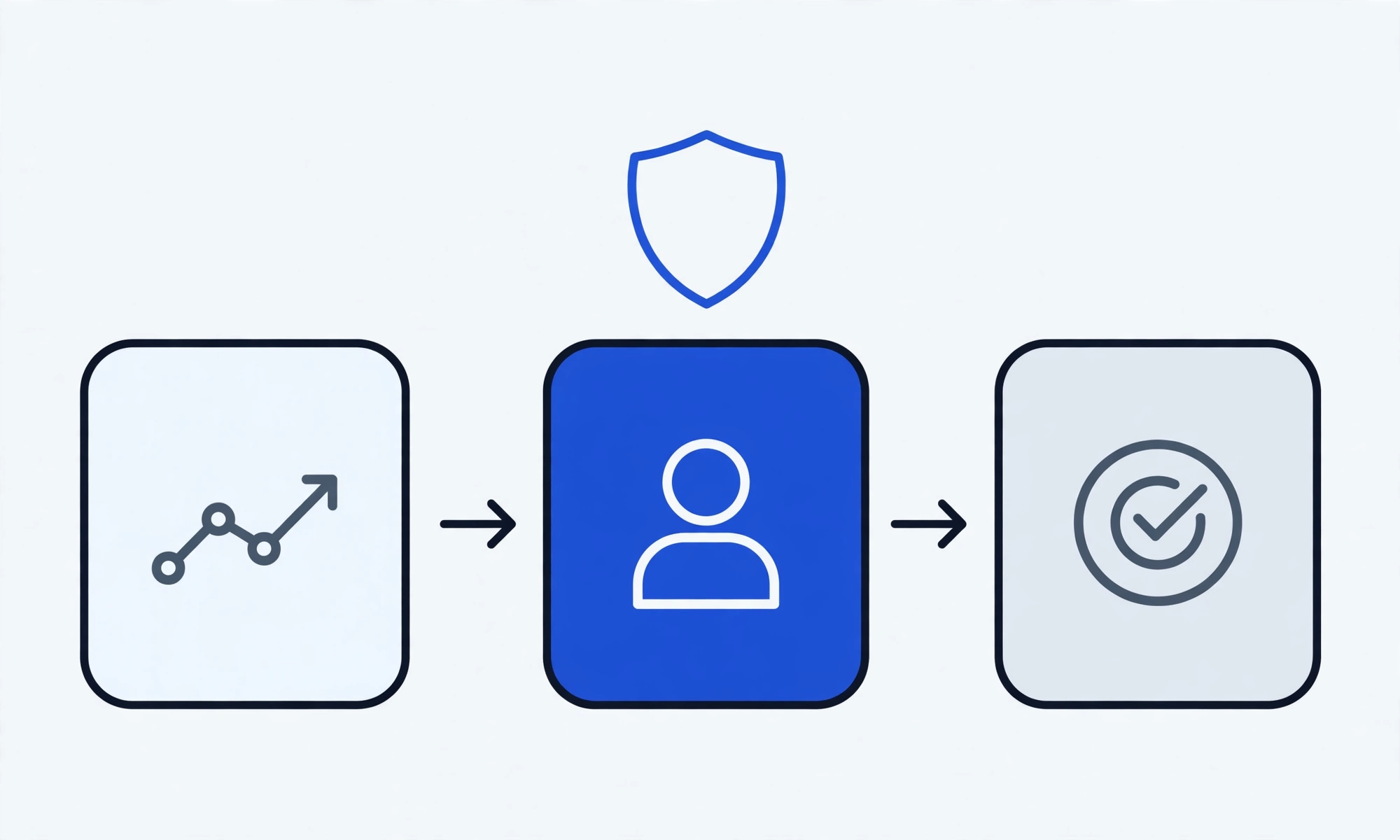
Redesign method diagram: snapshot the baseline, preserve what earns, then rebuild.
Preservation before rebuild: the baseline is snapshotted first, what earns is preserved, and only then is the site rebuilt.

The redesign process, step by step

Step 1 — Measure what exists. Deliverable: Baseline Snapshot Document.

Which pages rank and for what, how much search traffic each earns, which pages convert, and where enquiries come from — recorded before anything changes, so the whole project has a starting point to be judged against.

Step 2 — Decide where everything goes. Deliverable: One-to-One Redirect Map.

A written list pairing each old URL with its new home, delivered before the build is finished — not assembled in launch week.

Step 3 — Mark what must survive. Deliverable: Preservation Lists (content + conversion).

Two lists: the content that earns (titles, headings, ranking paragraphs) and the elements that sell (offer headline, contact placement, form length, first-question page). New copy is written around these anchors.

Step 4 — Build the new site. Deliverable: Staging Site.

Design, copy, and structure built to the preservation lists — a complete staging version you can review before anything public changes.

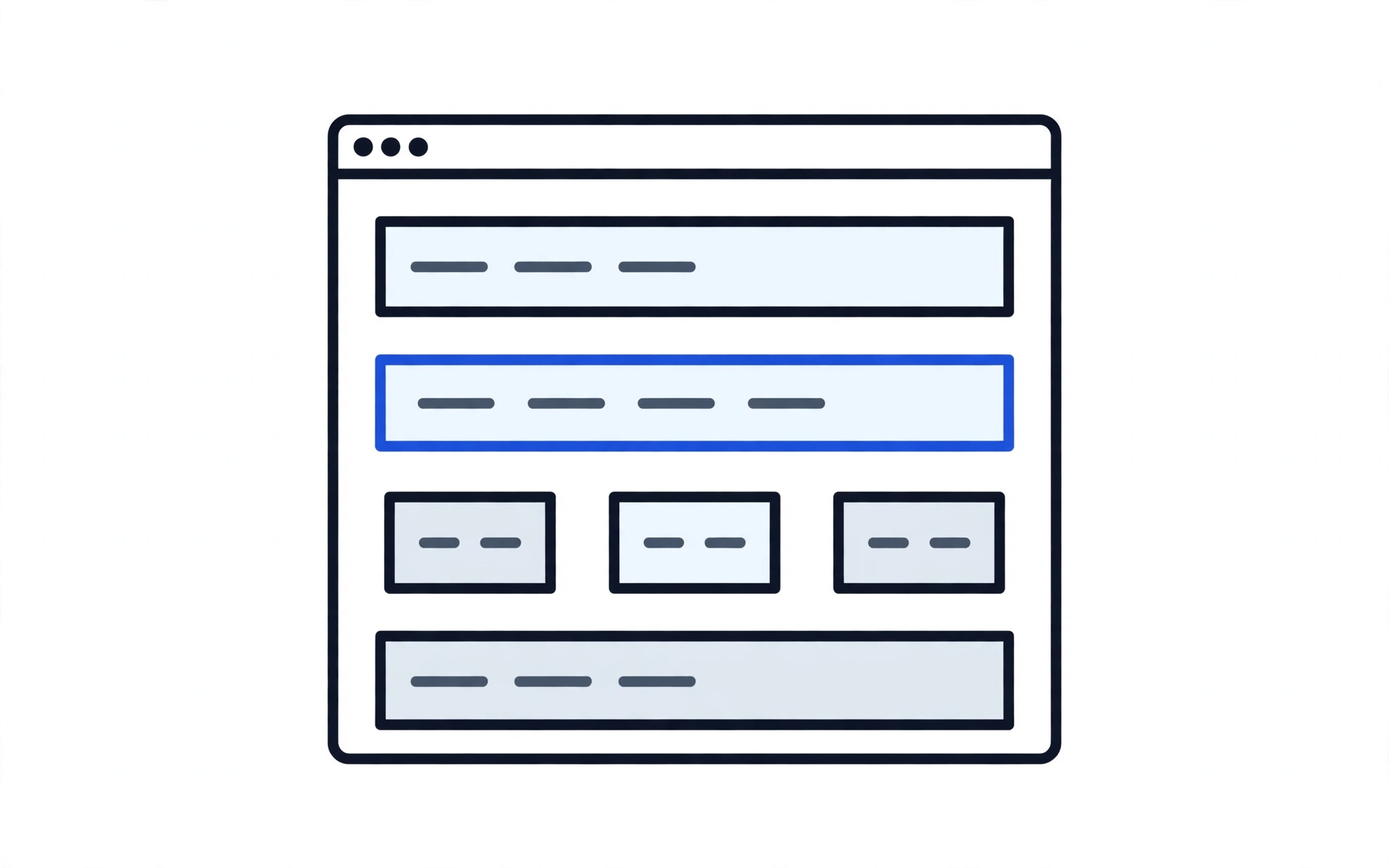
Generic unbranded wireframe of a redesigned website layout.
An illustrative redesigned layout only — not a client redesign and not a before/after comparison. Real redesign work is shown only with the user's own assets.

Step 5 — Verify before launch. Deliverable: Staging Verification Checklist (passed).

Every redirect tested, every preserved item confirmed, structured data present, internal links intact, staging blocks removed, forms working. Launch waits for a passed checklist.

Step 6 — Launch and watch. Deliverable: Launch-Week Monitoring Notes.

Crawl errors, ranking movement, and traffic watched in the first days after launch, when a failed redirect or a leftover block is cheapest to fix.

Step 7 — Measure again. Deliverable: Re-Measurement Report (snapshot vs after).

A written page-by-page comparison against the Baseline Snapshot Document, showing what held, what moved, and what still needs attention — not a verbal assurance that things are settling.

Before and after: the proof, in pairs

A redesign claim should be checkable in a pair: the old page next to the new one, with the result stated beside it. The slots below show that format. They are placeholders until HL Growth supplies real client assets — no screenshot, metric, or client name here is real yet.

[FORMAT MODEL — placeholder: named client + one hard metric + live link + before/after, to be supplied by HL Growth]

Format model — how a redesign case study will be presented

[Result-first headline — to be supplied: one outcome, in one line]

[Short paragraph — to be supplied: what the old site was losing, what the redesign preserved and changed, and how the result was re-measured against the pre-redesign snapshot.]

  • [Metric 1 — to be supplied: snapshot vs after, with source]
  • [Metric 2 — to be supplied: snapshot vs after, with source]
  • [Metric 3 — to be supplied: snapshot vs after, with source]

[Named client — to be supplied] · [Live link — to be supplied]

Structural example only — not an HL Growth client result, and not a claim about any redesign outcome.

Mid-page check: if you are comparing redesign quotes, take the questions in the next section with you — they are written to be asked of any developer, including us.

Questions to ask any developer — including us

Use this table when you compare quotes. A strong answer is specific and written down; a vague answer is the warning sign. No developer named here is being compared — these are the questions themselves, and the standard any answer should meet.

Question to askWhat a good answer sounds likeWhat to watch for
Will I lose rankings?A method answer: a baseline snapshot first, a one-to-one redirect map, preserved titles and content on ranking pages, staging verification, and post-launch monitoring against the snapshot. Rankings themselves are not guaranteed by any honest answer.A guaranteed ranking outcome, or no mention of redirects at all.
Will you give me a redirect map before launch?Yes, in writing, before the build is finished — every old URL paired with one relevant new URL.Redirects handled “during launch” or everything pointed at the homepage.
What happens to my current content?Ranking and converting content is listed as “preserve” first; changes are logged with reasons.A full rewrite with no inventory of what currently performs.
How do you check the site before it goes live?A staging checklist that must pass: redirects, metadata, links, staging blocks removed, forms, mobile speed.Launch tied to a date regardless of whether checks pass.
How will I know if the redesign worked?A written re-measurement against the pre-redesign snapshot, page by page.A verbal assurance, or a report with no “before” to compare against.
Do I own the new site and its content?Yes, stated plainly: site, content, and accounts in your name, with access handed over.Ownership left vague, or access held back after delivery.

What a redesign costs

From PKR 99,999

Demo placeholder only — not a final price. A real redesign price depends on scope: how many ranking pages must be preserved, whether the platform changes, and how much new content is needed. That scope is set from the redesign-readiness audit, and any proposal that follows carries the total cost in writing, with milestones, before work starts.

The redesign-readiness audit itself is free. It gives you the baseline facts whether or not you redesign with HL Growth.

Frequently asked questions

Will a redesign hurt my Google rankings?

It can, if URLs move without redirects, ranking pages are removed, or ranking wording is rewritten without a record. The protection is method, not luck: snapshot first, one-to-one redirect map, preserved metadata on performing pages, staging checks, and monitoring after launch. No honest provider guarantees a ranking outcome.

How long does a redesign take?

It depends on scope — page count, platform change, and new content needed — which is why timeline is set from the audit, not guessed on this page. One rule holds regardless of scope: launch waits for the staging checklist to pass, not for a calendar date.

What content migrates, and what gets rewritten?

Content that ranks or converts is preserved deliberately and listed before copy is written. Outdated, incorrect, or duplicate content is rewritten or retired with a stated reason. Every change to a performing page is logged against the baseline snapshot.

What stays the same, and what changes?

What stays: the pages, phrases, and selling elements that already earn, unless there is a written reason to change them. What changes: layout, design, structure, and copy that no longer represents the business — built around the parts that stay.

Do I own the redesigned site?

Yes. The site, its content, and its accounts are yours, with access handed over. If any third-party tool or licence is involved, it should be named in the proposal before work starts, not discovered afterwards.

What do you need from me to start?

Your current site URL and your reason for redesigning, plus read access to analytics and Search Console for the audit. The audit produces the baseline snapshot, which is yours to keep whether or not you redesign with us.

Will my URLs change?

Some may, if the structure improves — but every changed URL is covered by the one-to-one redirect map, so search engines and existing links are pointed to the new home instead of a dead page.

What happens after launch?

Launch-week monitoring first, then a written re-measurement against the baseline snapshot, page by page. A short fluctuation is normal; a sustained drop on a named page is traced to a redirect, content, or wording change and named as such.

My site works but does not sell — should I redesign it?

Probably not first. A working site that produces nothing usually has a conversion problem — unclear offer, weak trust, slow load, or no clear next step. Diagnose that before paying for a new design. Website Conversion Fix

My developer disappeared and my site needs rebuilding — is that a redesign?

No, that is recovery first. A site you cannot access cannot be redesigned until registrar, hosting, and files are recovered. Website Rescue

Know what your site earns before you rebuild it.

The redesign-readiness audit gives you the baseline facts — rankings, traffic, conversions — in writing. With those facts, any redesign decision, with HL Growth or anyone else, is made on evidence rather than hope.

What happens after you hit send

  1. You share your current site URL and your reason for redesigning.
  2. HL Growth reviews your current site against the redesign-readiness audit — what it ranks for, what it earns, and what a rebuild must not break.
  3. You receive the baseline findings in writing, and a proposal with the total cost in writing, with milestones, before any redesign work starts.

To start the audit, please share:

  1. Current site URL
  2. Reason for redesign — new brand or offer, site looks dated, platform change, rankings or traffic concern, or not sure — advise me
  3. Name
  4. Contact — email or WhatsApp number (for the audit reply)

WhatsApp conversations start from your site and your reason for redesigning, not a sales script.